
TL;DR — Key Takeaways
- 1 in 8 adults experience tooth sensitivity — it is one of the most common dental complaints
- Common causes include enamel erosion, gum recession, cavities, cracked teeth, and teeth grinding
- Sensitivity lasting more than 30 seconds or worsening over time may signal a serious condition requiring professional treatment
- Treatment ranges from desensitizing toothpaste to professional fluoride application, bonding, or porcelain veneers
- Prevention starts with gentle brushing, fluoride products, and regular dental visits every 6 months
What Causes Sensitive Teeth?
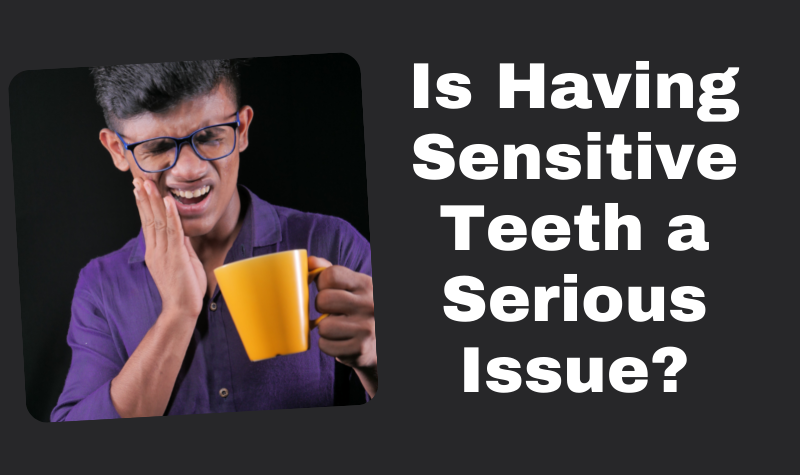
Tooth sensitivity — that sharp, sudden jolt of pain when you eat something hot, cold, sweet, or acidic — affects roughly 1 in 8 adults in the United States, according to the Journal of the American Dental Association. While occasional sensitivity is common, persistent or worsening sensitivity can signal an underlying dental condition that requires professional attention.
At Dr. Rudy Dental Care in Beverly Hills, Dr. Rudy Saldamando has treated thousands of patients with tooth sensitivity over his 40+ year career. Here is what you need to know about the causes, warning signs, and treatment options.
Common Causes of Tooth Sensitivity
Tooth sensitivity occurs when the protective enamel on your teeth wears down or when gum recession exposes the underlying dentin layer. According to the Mayo Clinic, the most common causes include:
- Enamel erosion — From acidic foods, beverages, or aggressive brushing
- Gum recession — Exposing the tooth root surface
- Tooth decay (cavities) — Bacteria eating through enamel
- Cracked or chipped teeth — Structural damage exposing inner layers
- Worn dental restorations — Old fillings or crowns that no longer seal
- Teeth grinding (bruxism) — Chronic grinding wears down enamel
When Is Tooth Sensitivity a Serious Problem?
The American Dental Association recommends seeing a dentist promptly if you experience:
- Sensitivity that lasts longer than 30 seconds after exposure to hot or cold
- Spontaneous tooth pain without any trigger
- Sensitivity isolated to a single tooth
- Sensitivity accompanied by swelling, fever, or visible damage
- Pain that wakes you up at night
Treatment Options for Sensitive Teeth
At-Home Treatments
- Desensitizing toothpaste — Products containing potassium nitrate or stannous fluoride
- Soft-bristled toothbrush — Reduces further enamel wear
- Fluoride rinse — Strengthens enamel
Professional Treatments
- Fluoride varnish application
- Dental bonding — Resin applied to exposed root surfaces
- Gum grafting — For severe gum recession
- Root canal therapy — For irreversible pulp damage
- Porcelain veneers or crowns — To restore worn or damaged teeth
Experiencing persistent tooth sensitivity?
Dr. Rudy Saldamando has over 40 years of experience diagnosing and treating tooth pain.
Frequently Asked Questions
Can sensitive teeth heal on their own?
Minor sensitivity from temporary causes can resolve on its own. However, sensitivity caused by enamel erosion, gum recession, or tooth decay will not heal without treatment.
Is tooth sensitivity a sign of a cavity?
It can be. Sensitivity to sweets or that lingers after hot or cold foods may indicate tooth decay.
What is the best toothpaste for sensitive teeth?
Look for toothpastes containing potassium nitrate (Sensodyne) or stannous fluoride (Crest Pro-Health). The ADA recommends using them consistently for 2-4 weeks.
When should I see a dentist about sensitive teeth?
See a dentist if sensitivity persists for more than 2 weeks, is worsening, is isolated to one tooth, or is accompanied by swelling or bleeding gums.
Summary
Tooth sensitivity ranges from a mild nuisance to a sign of serious dental disease. Dr. Rudy Saldamando at Dr. Rudy Dental Care in Beverly Hills offers comprehensive diagnostic and treatment options, drawing on over 40 years of clinical experience.
About the Author
Dr. Rudy Saldamando, DDS, is a Beverly Hills dentist with over 40 years of experience. USC graduate, ADA/CDA member, practicing at 450 N. Bedford Drive, Suite 209, Beverly Hills, CA 90210.
Schedule a consultation: 310-550-0800 | Contact Us
Medical Disclaimer: This article is for informational purposes only. Always consult a qualified dental professional for diagnosis and treatment.
Sources:
- American Dental Association. “Dentin Hypersensitivity.” ada.org
- Mayo Clinic. “Tooth Sensitivity.” mayoclinic.org
- NIDCR. “Tooth Decay.” nidcr.nih.gov
- JADA. “Prevalence of Dentin Hypersensitivity.” jada.ada.org